
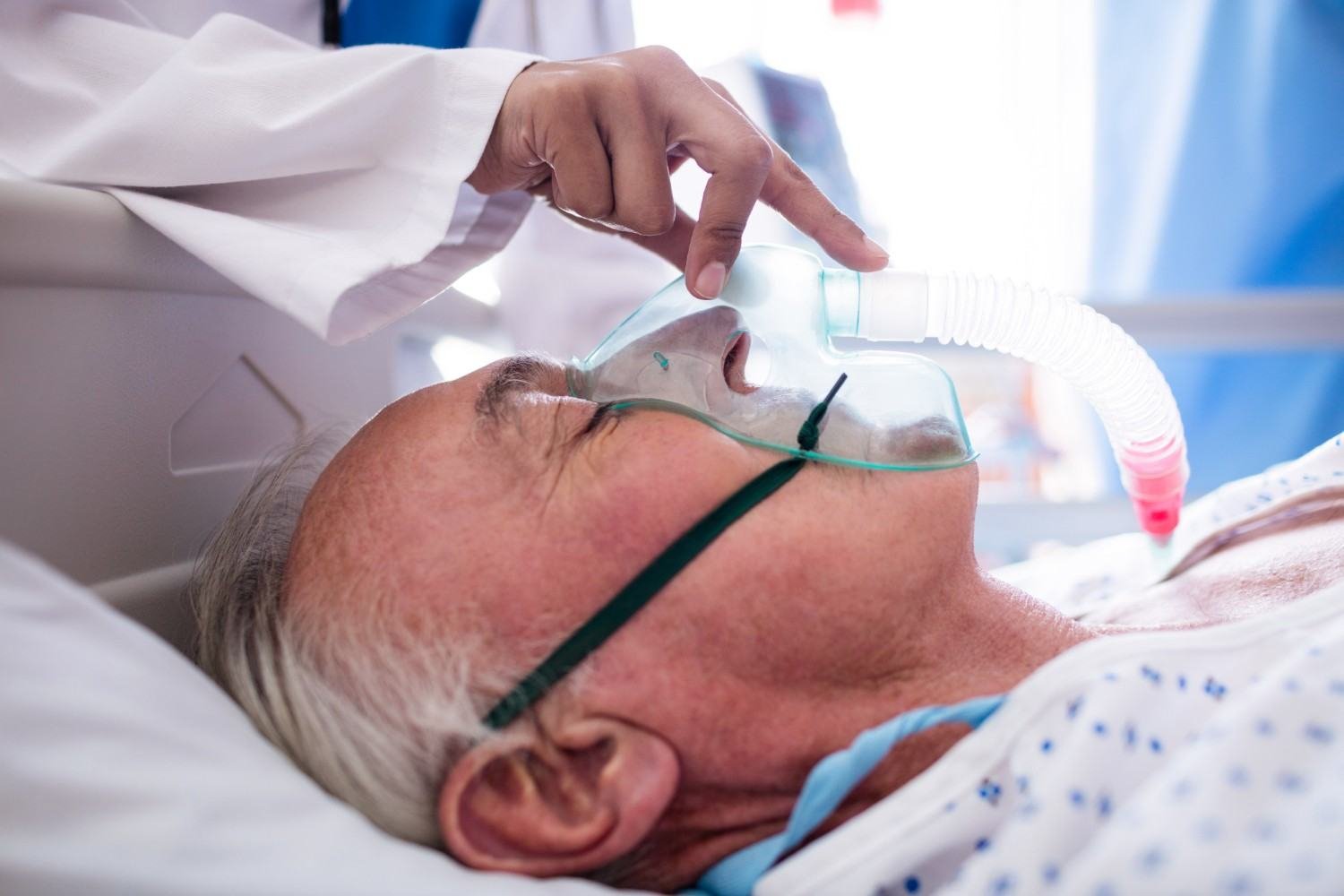
Sleep should leave you feeling rested and ready for the day. However, sleep apnea can repeatedly interrupt normal breathing during the night, making restful sleep difficult even when you spend enough time in bed. Over time, poor-quality sleep may affect energy, concentration, mood, and everyday activities. Understanding these effects can help you recognise when professional evaluation may be needed. A Sleep Apnea Surgery Specialist in Gurugram, such as Dr. Harsh Vardhan, can assess symptoms and discuss suitable treatment options based on the individual condition.
Want a direct connection with us on WhatsApp? Click now.
What Is Sleep Apnea?
Sleep apnea is a sleep-related breathing disorder in which breathing repeatedly stops or becomes restricted during sleep. These interruptions can prevent the body from maintaining normal, uninterrupted sleep.
A person may not always remember waking during the night. Instead, they may notice symptoms the following day, such as tiredness, difficulty concentrating, morning headaches, or feeling unrefreshed after sleeping.
Common signs can include loud snoring, witnessed pauses in breathing, gasping during sleep, restless sleep, and excessive daytime sleepiness. Not everyone experiences the same symptoms, which is why persistent concerns should be discussed with a healthcare professional.
How Does Sleep Apnea Affect Sleep Quality?
Frequent Sleep Interruptions
When breathing becomes interrupted, the body may briefly shift toward wakefulness to restore normal breathing. These repeated disruptions can interfere with the natural progression of sleep.
Even if a person does not fully wake up, these interruptions can make sleep less restorative. As a result, someone may wake in the morning feeling as though they have not slept properly.
Unrefreshing Sleep
Good sleep involves more than simply spending several hours in bed. The quality and continuity of sleep also matter. Sleep apnea can disturb this continuity and leave a person feeling tired despite having what appears to be an adequate sleep duration.
Dr. Harsh Vardhan recommends paying attention to persistent changes in sleep quality rather than ignoring them as ordinary tiredness.
Why Can Sleep Apnea Cause Low Energy?
Poor-quality sleep can make it harder to feel energetic during the day. People with untreated sleep apnea may experience persistent fatigue or sleepiness, particularly during periods of inactivity.
This can affect simple parts of daily life. Getting ready for work, completing household responsibilities, exercising, studying, or spending time with family may feel more difficult when daytime energy remains low.
Some people may also rely more heavily on caffeine to stay alert. However, regularly feeling exhausted after a full night's sleep deserves attention rather than being treated as a normal part of a busy lifestyle.
How Can Sleep Apnea Affect Concentration and Mood?
Sleep and daytime mental performance are closely connected. When sleep is repeatedly disrupted, a person may find it harder to stay focused or complete tasks efficiently.
Possible Daytime Effects
Sleep apnea may contribute to:
- Difficulty maintaining concentration
- Feeling mentally tired
- Reduced alertness
- Forgetfulness
- Irritability
- Reduced motivation
- Daytime sleepiness
These symptoms can influence work, studies, social interactions, and household responsibilities. Dr. Harsh Vardhan highlights that recognising these changes can be an important step toward seeking appropriate medical assessment.
How Can It Affect Daily Activities?
The effects of sleep apnea can extend beyond the bedroom. Persistent daytime sleepiness may make routine activities feel more challenging. A person may struggle to remain alert during meetings, while reading, or during long periods of sitting.
Reduced alertness can also become particularly important when performing activities that require sustained attention, such as driving or operating machinery. Anyone who regularly feels excessively sleepy during the day should take the symptom seriously.
Sleep apnea may also affect relationships. Loud snoring, restless sleep, and repeated nighttime disturbances can affect both the individual and their sleeping partner. Addressing the underlying sleep problem may therefore benefit overall household sleep quality as well.
When Should You Seek Professional Help?
Occasional tiredness after a poor night's sleep is common. Persistent symptoms, however, should not automatically be blamed on a busy schedule.
Consider seeking professional evaluation if you regularly experience loud snoring, breathing pauses noticed by another person, nighttime gasping, unrefreshing sleep, or significant daytime sleepiness.
A Sleep Apnea Surgery Specialist in Gurugram can evaluate the symptoms, understand the possible cause of airway obstruction, and determine whether further assessment or treatment is appropriate. Treatment depends on the type and severity of sleep apnea and the individual's overall health.
How Is Sleep Apnea Managed?
Sleep apnea treatment is not identical for everyone. Depending on the diagnosis, treatment may involve lifestyle measures, positive airway pressure therapy, oral appliances, or surgical approaches in selected cases.
Surgery may be considered when there is a structural problem or when other appropriate treatments are unsuitable or insufficient. A specialist first needs to understand the underlying cause before recommending an intervention.
For this reason, people should avoid choosing a treatment solely because it worked for someone else. A personalised medical evaluation is important.
Improving Awareness of Sleep Health
Good sleep should not be measured only by the number of hours spent in bed. Feeling rested, staying alert during the day, and being able to perform normal activities comfortably are also important aspects of healthy sleep.
If persistent snoring, disrupted sleep, or daytime fatigue is affecting your routine, discussing these concerns with an ENT or sleep specialist can be a sensible next step. Dr. Harsh Vardhan focuses on understanding the symptoms and identifying an appropriate path for evaluation and care.
Conclusion
Sleep apnea can affect much more than nighttime breathing. Repeated sleep disruption may leave a person feeling tired, unfocused, and less energetic throughout the day. These effects can influence work, studies, relationships, exercise, and other everyday activities.
Recognising persistent symptoms early can help you seek appropriate guidance. If sleep-related breathing problems are affecting your quality of life, consulting a Sleep Apnea Surgery Specialist in Gurugram can help you understand the condition and explore suitable treatment options. Dr. Harsh Vardhan can provide professional evaluation based on the individual's symptoms and clinical needs.